What Each Rose Colour Means
Rose colour meaning is older than the cut-flower industry. The traditions go back through Victorian floriography, and most of them are still recognised today — especially in Australia, where the symbolism leans more European than American.
If you're picking roses for someone, the colour usually matters more than the count. Here's what each one we carry says, and what most senders use it for.
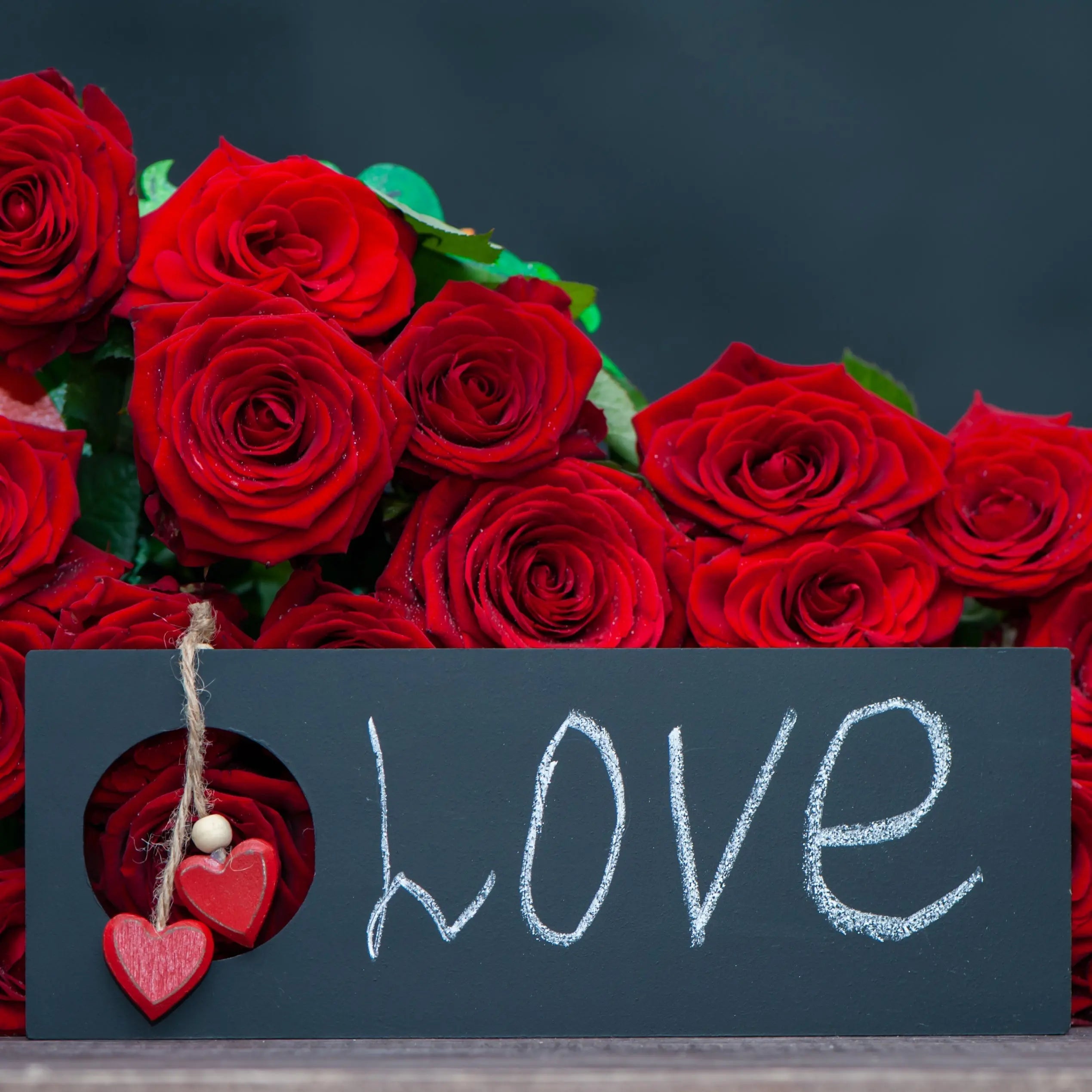
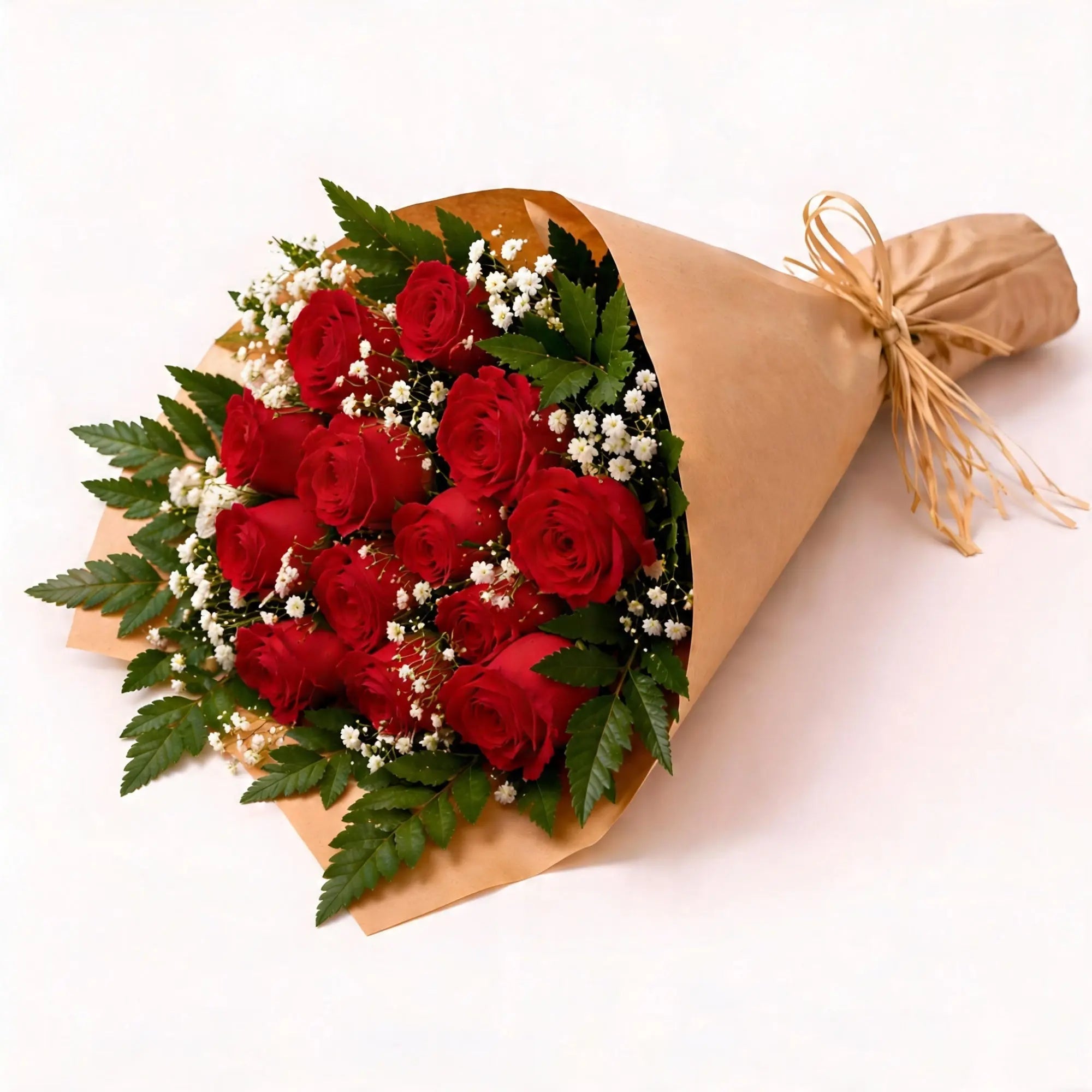
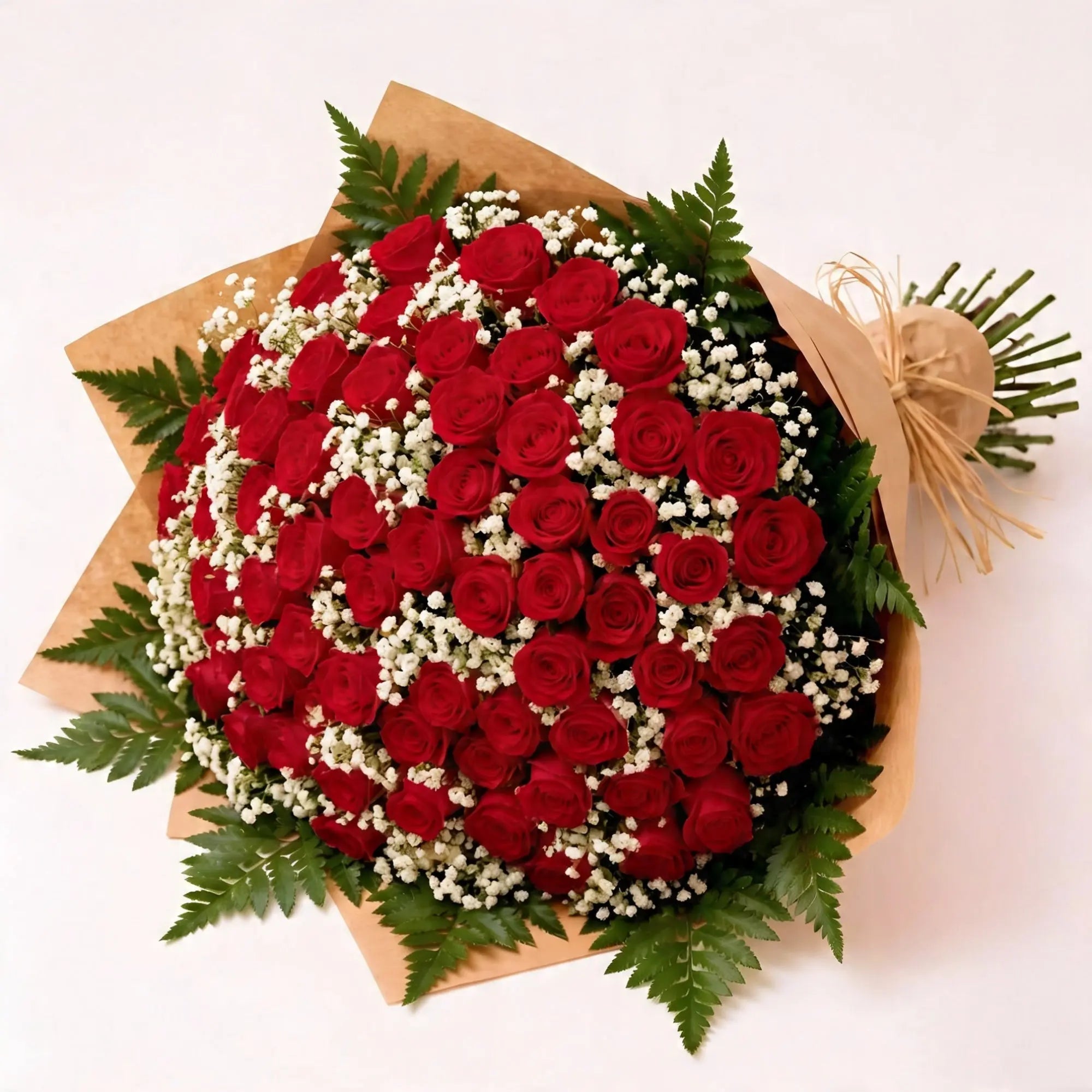
Red Roses
Says: love, passion, deep romantic affection.
Best for: anniversaries, Valentine's Day, "I love you", proposals, long-distance romantic gestures.
The default for romantic occasions, and for good reason — there's no ambiguity. A dozen red roses is the most universally understood gift in the entire flower category.
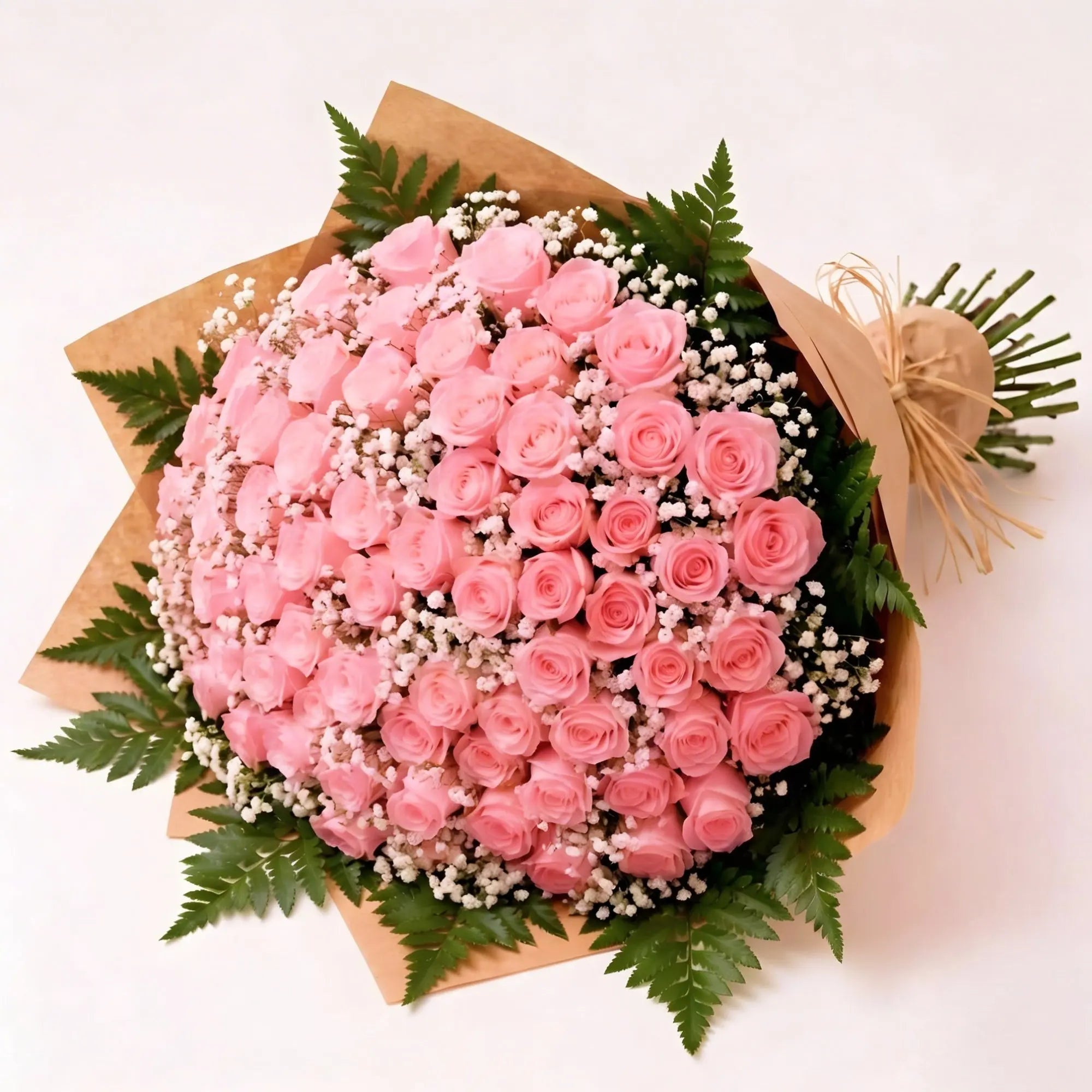
Pink Roses
Says: gratitude, appreciation, gentle affection.
Best for: Mother's Day, thank-yous, sister/best-friend birthdays, a "thinking of you" gesture.
Pink is the most-sent colour for non-romantic occasions in Australia. It's warm without being romantic, which makes it the right pick when red would feel like too much.
Light Pink Roses
Says: admiration, sweetness, a quiet compliment.
Best for: new mothers, congratulations on a new baby, a gentle "well done", a young person's milestone.
Lighter than standard pink — softer in tone and softer in message. The pick when you want something delicate.
Hot Pink Roses
Says: appreciation, energy, recognition.
Best for: celebrating a friend's win, a vibrant birthday, a "you did it" thank-you with some lift.
Hot pink turns the volume up. It's playful, confident, and reads as celebratory rather than romantic.
White Roses
Says: reverence, new beginnings, sympathy.
Best for: sympathy and funerals, weddings (especially bridal arrangements), the start of something — a new home, a christening.
White carries two opposite meanings depending on context: hopeful (weddings, new beginnings) or solemn (funerals). Both are correct. The setting tells you which one applies.
Cream Roses
Says: thoughtfulness, charm, a quieter version of white.
Best for: sympathy when white feels too stark, a tasteful dinner party gift, a soft wedding palette.
Cream is what we send when white would be too heavy. It works for the same occasions but with more warmth.
Yellow Roses
Says: friendship, joy, warmth.
Best for: friends (not romantic interests), get-well wishes, "thinking of you" when you specifically want to keep it platonic.
The classic friendship rose. In Australia they're especially common as get-well flowers — bright enough to lift a hospital room without feeling like a romantic gesture.
Orange Roses
Says: enthusiasm, pride, energy.
Best for: a graduation, a new job, a creative milestone, congratulations on a venture launch.
Orange is the rose for accomplishment. It's bolder than yellow and less romantic than red — perfect for "I'm proud of you" moments.
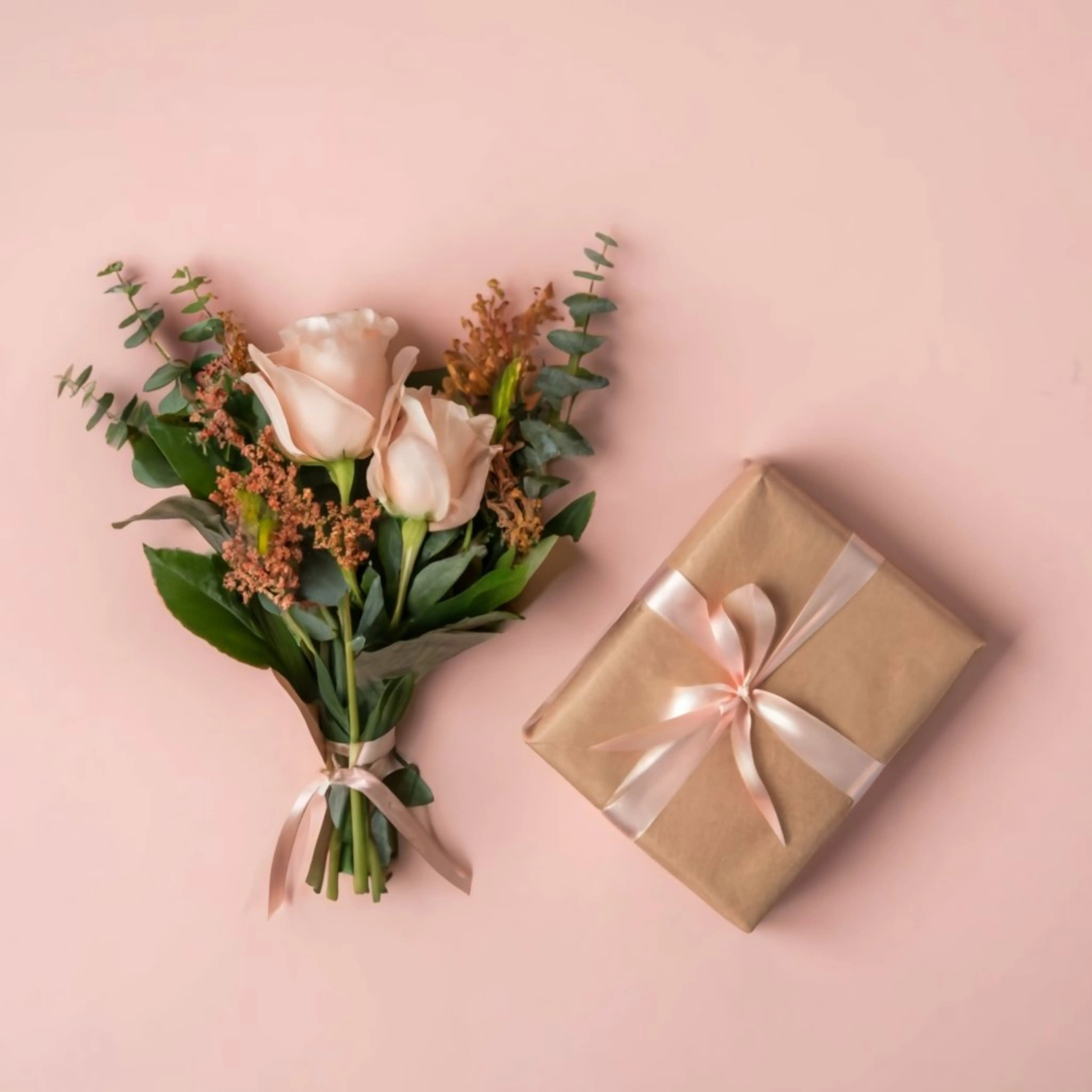
Peach Roses
Says: gratitude, modesty, a sincere thank-you.
Best for: thank-yous to colleagues, hosts, helpers — anyone who did something thoughtful that you want to acknowledge properly.
Peach is the more elegant cousin of pink for thank-yous. It feels considered without being formal.
Lavender Roses
Says: enchantment, the start of falling in love, a tender new feeling.
Best for: early-relationship gestures, a romantic gift that's softer than red, a "I'm thinking about you in that way" message.
Lavender is for romance that's still finding its footing. Less declarative than red, more romantic than pink.
Purple Roses
Says: first love, fascination, captivation.
Best for: a first-anniversary gift, a "you're unique to me" message, a romantic gesture for someone who isn't a "red roses" person.
Purple is bolder than lavender. It still reads as romantic but with more depth — for people whose taste runs unconventional.
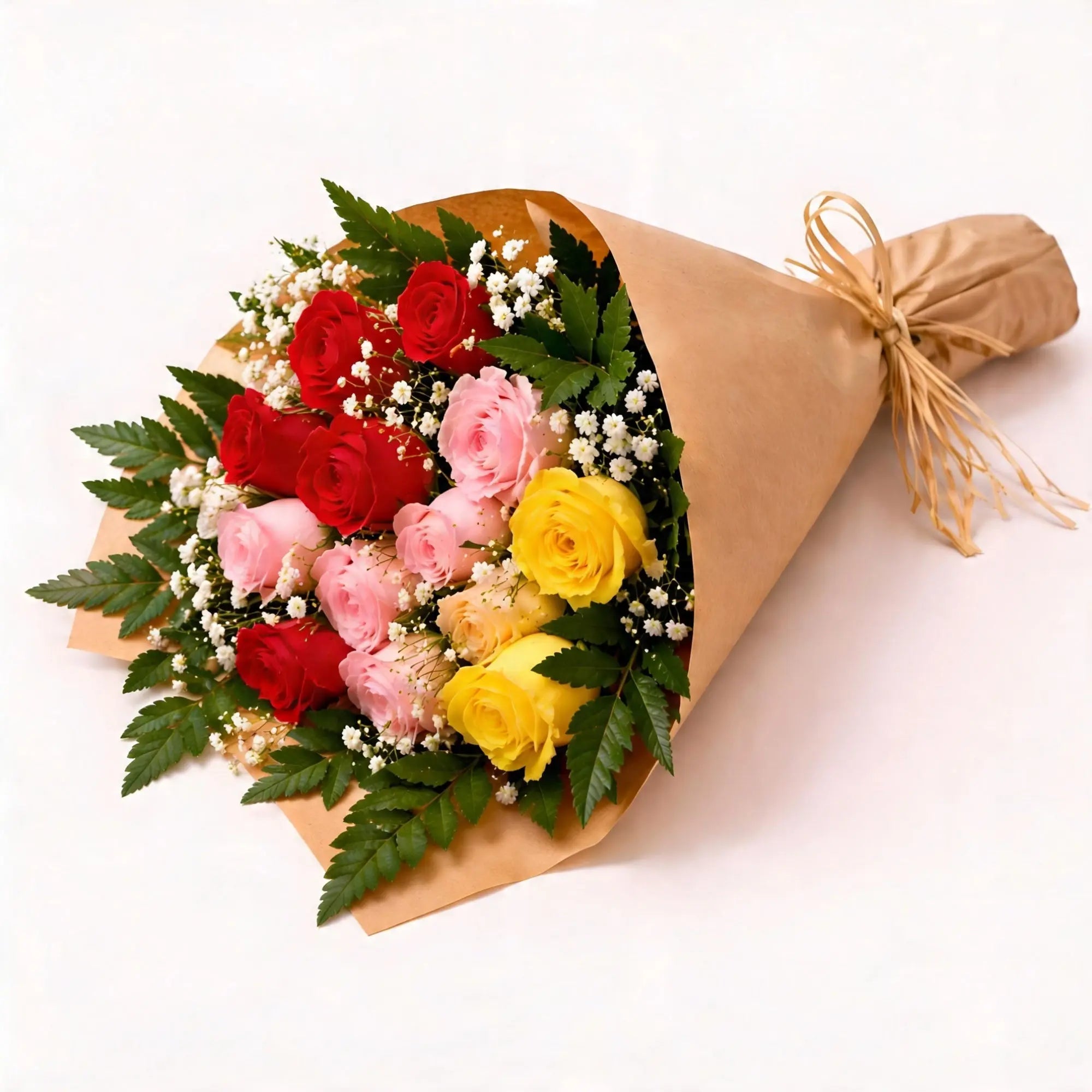
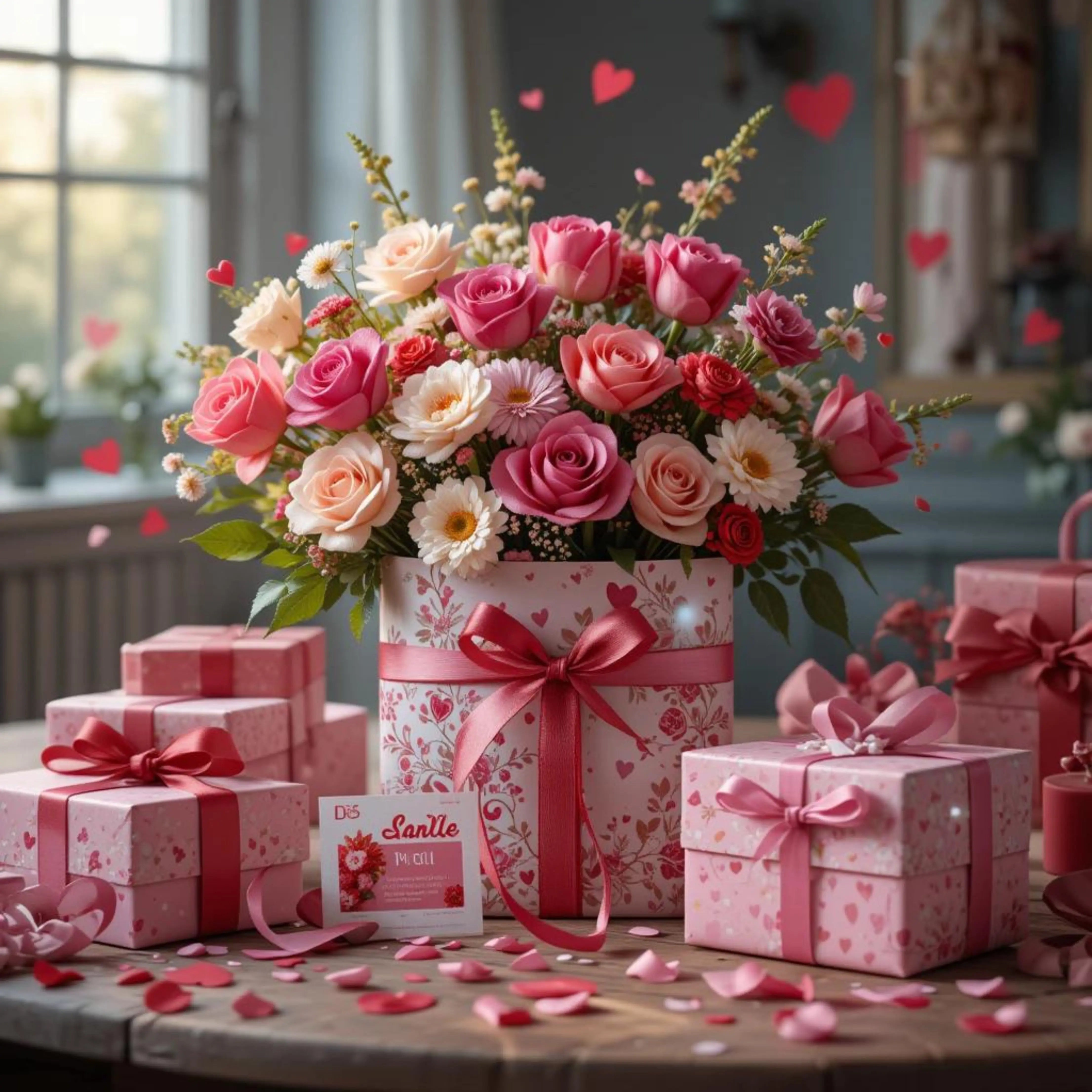
Multi-Colour (Assorted)
Says: celebration, abundance, a happy mix.
Best for: birthdays, "just because" gifts, housewarmings, anywhere you want joy without a specific message.
The least directional of the lot. When the occasion is celebratory but doesn't have a single defined message, an assorted bouquet covers it.
Mixed Red and White
Says: unity, togetherness, the joining of two people or families.
Best for: engagements, weddings, anniversary milestones, any occasion that's about partnership.
Red and white together is the traditional rose for unity — popular for engagement parties and wedding anniversaries, especially the larger milestones.
How to pick when you're not sure
If you're stuck between two colours, default to the relationship. For a partner: red, lavender, or purple. For a parent: pink, peach, or cream. For a friend: yellow, hot pink, or multi-colour. For sympathy: white or cream.
Browse the full range when you're ready, or jump straight to the colour you have in mind from the main menu.